Which Best Describes How an Accretionary Wedge Forms
These occur at oceanic-oceanic and oceanic-continental convergent destructive plate margins. Accretionary wedges form as sediments from the dense subducting tectonic plate are scraped off onto the less-dense plate.

Diamictitic Iron Formation Dif Deposits Of The Neoproterozoic Nova Aurora Iron District Macaubas Group Southeast Brazil Sciencedirect
Accretionary Wedge prism A zone of deformed sediment made up of thrust slices scraped off a subducting oceanic plate and added onto the over-riding plate.

. Where does an accretionary wedge form quizlet. An accretionary wedge forms at an active continental margin when the subducting oceanic slab scrapes pieces of itself onto the more buoyant continental slab. Generally they result from the subduction of an oceanic tectonic plate under another tectonic plate and often parallel an oceanic trench.
Sediments often found in accretionary wedges include basalts from the deep oceanic lithosphere sedimentary rocks from the seafloor and even traces of continental crust drawn into the wedge. An accretionary wedge forms at an active continental margin when the subducting oceanic slab scrapes pieces of itself onto the more buoyant continental slab. Faults that are experiencing no active creep relatively consistent yet minor movements may be considered safe.
Accretionary wedges form at the bottom of ocean trenches created at some convergent plate boundaries. An accretionary wedge or accretionary prism is formed from sediments that are accreted onto the non-subducting tectonic plate at a convergent plate boundary. A at the edge of the overriding plate facing a subduction zone B at the base of a passive continental margin C on the oceanic plate side of a transform fault D around oceanic plate volcanoes fed by long-lived hot spots in the mantle 5 Which of the following best describes the geology of the Pacific coastal regions of western.
Subduction is the tectonic movement of plates when one plate collides with another and in doing so goes below another. When one plate is subducted under the other the two plates rub on each each other and this causes friction. This scraping action creates debris which are composed of rocks and marine formed by pieces of the plates that broke off which are mostly from the.
The most common type of continental crust found. Which best describes how wedge basins form. Sediments the top layer of material on a tectonic plate that accumulate and deform where oceanic and continental plates collide.
At the area where two bent plates slide past each other a depression forms where sediments. Accretionary wedge is formed as a result of accumulation of rocks on over-riding plane after being scrapped-off the down going plate during subduction. Which type of plate tectonic boundary forms a accretionary wedge of sediments.
Moore in Encyclopedia of Ocean Sciences Third Edition 2001 Conclusions. Explain how this forms a volcanic island chain such as that of the Hawaiian Islands. 2 See answers Advertisement Advertisement BakuxxKachan BakuxxKachan When two plates move apart the weaker part of Earths crust moves down at normal faults where sediments are.
Which best describes how an accretionary wedge forms. Briefly describe what happens at a subduction zone 3. The option that best describes the formation of wedge basins is C When two plates collide the non-subducting plate scrapes the subducting plate and forms a depression where sediments gather In geography a basin is considered to be any major depression of the Earths crust.
What rocks form at accretionary wedge. Accretionary wedges form in a convergent plate boundary where two plates collide and one plate is pushed under the other. How does an accretionary wedge form.
As a result of sediment washing down off the mid-ocean ridge. Explain how an accretionary wedge forms. Deposited until a basin forms.
Rebut or defend this statement. As a result of sediment moving from the continental shelf out across the continental slope during subduction. What is a hot spot.
How are faults hypocenters and epicenters related. As a result of the accumulation of sediment and oceanic crust being scraped off a descending oceanic plate during subduction. Explain why Africa and South America are moving apart.
These sediments are scraped off the top of the downgoing oceanic crustal plate and are appended to the edge of the continental plate. Explain how an accretionary wedge forms. These basins can be of six types.
An accretionary wedge is an accumulation of rock scraped off the down-going plate and emplaced on the overriding plate in a subduction zone. 4 Accretionary wedges are formed _____. Accretionary prisms form at the leading edge of convergent plate boundaries by skimming-off sediments and rocks of the lower plate.
In detail the accretion process involves offscraping of rocks and sediments at the front of the prism or underplating emplacement beneath the prism. Explain why Africa and South America are moving apart.
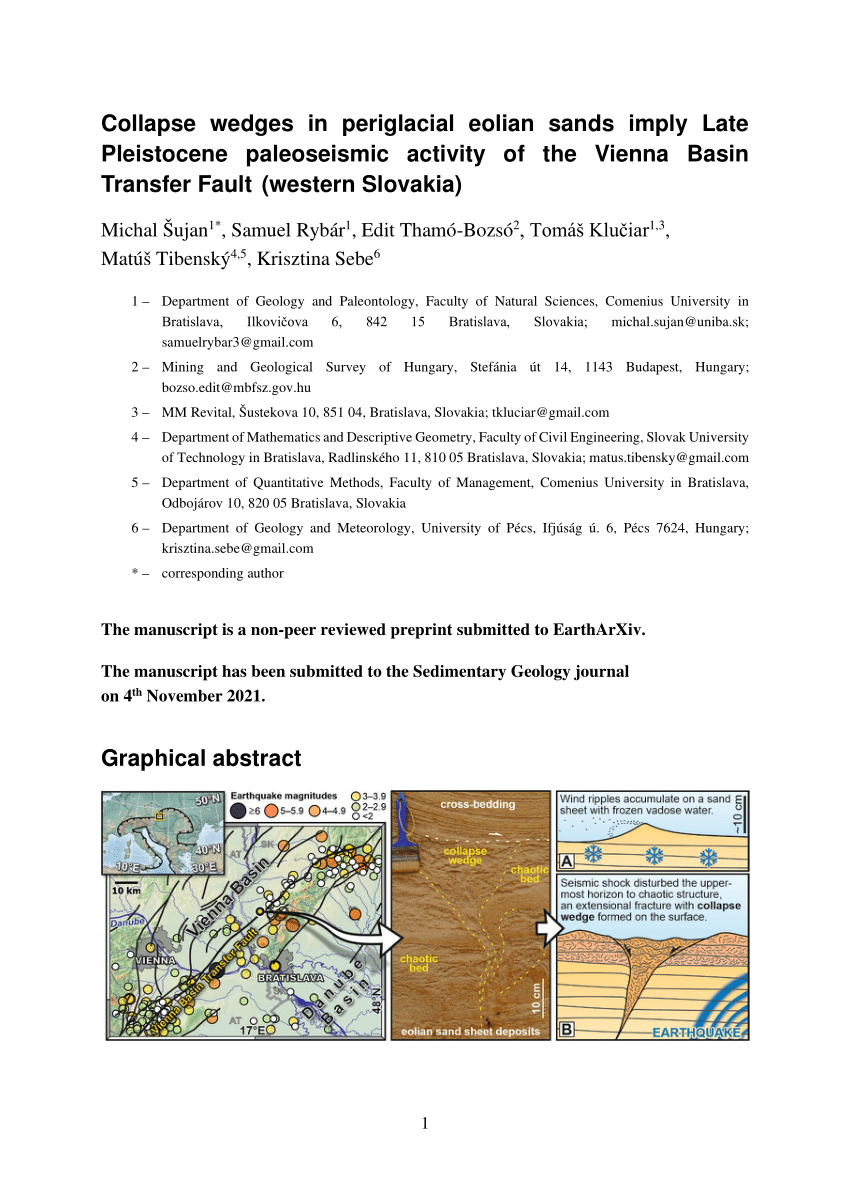
Pdf Collapse Wedges In Periglacial Eolian Sands Imply Late Pleistocene Paleoseismic Activity Of The Vienna Basin Transfer Fault Western Slovakia

Make Subductions Diverse Again Sciencedirect
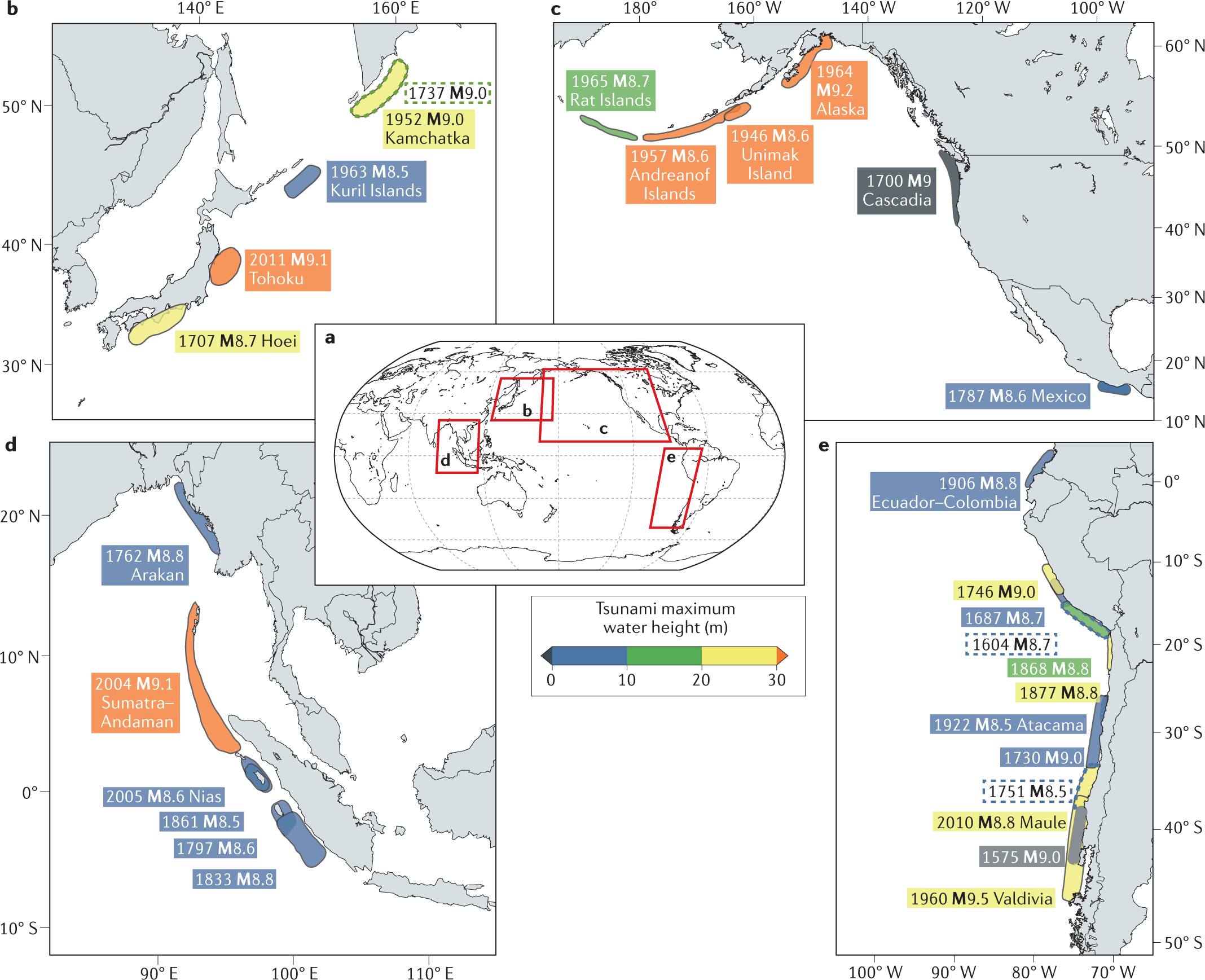
The Occurrence And Hazards Of Great Subduction Zone Earthquakes Nature Reviews Earth Environment

Melange Development In The Neyriz Region Of Zagros Orogen Iran Record Of Convergence And Collision In The Neotethyan Realm Gholami Zadeh 2020 Basin Research Wiley Online Library

Geochemistry Of Basaltic Blueschists From The Deyader Metamorphic Complex Makran Accretionary Prism Se Iran New Constraints For Magma Generation In The Makran Sector Of The Neo Tethys Sciencedirect

Garnet Is Not A Single Mineral But Describes A Group Of Several Closely Related Minerals Almandine Pyrope Are Rhodolite Garnet Garnet January Birth Stone

Geosciences Free Full Text Seismic Attribute Analyses And Attenuation Applications For Detecting Gas Hydrate Presence Html
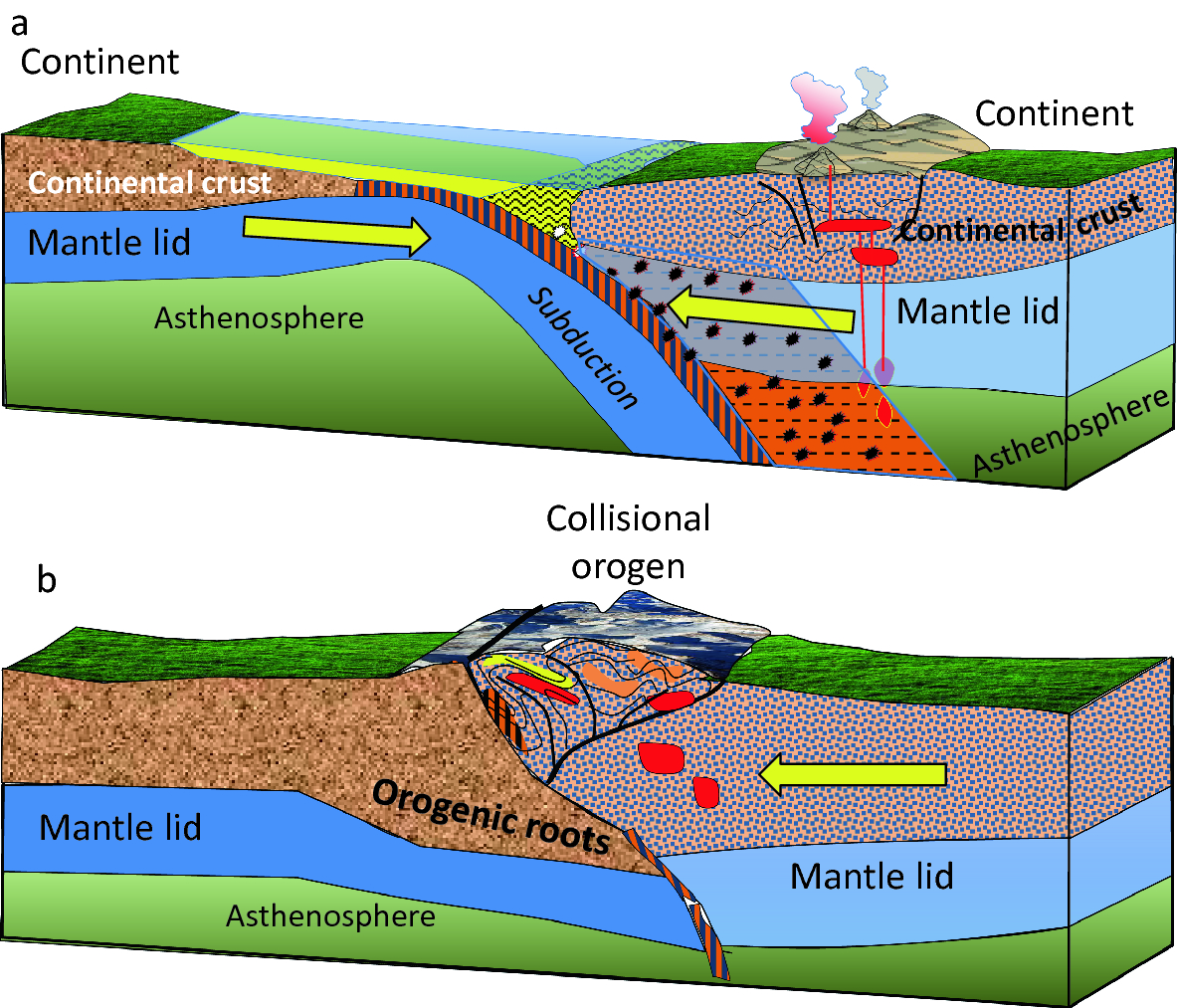
Plate Tectonics The Great Unifying Theory Springerlink
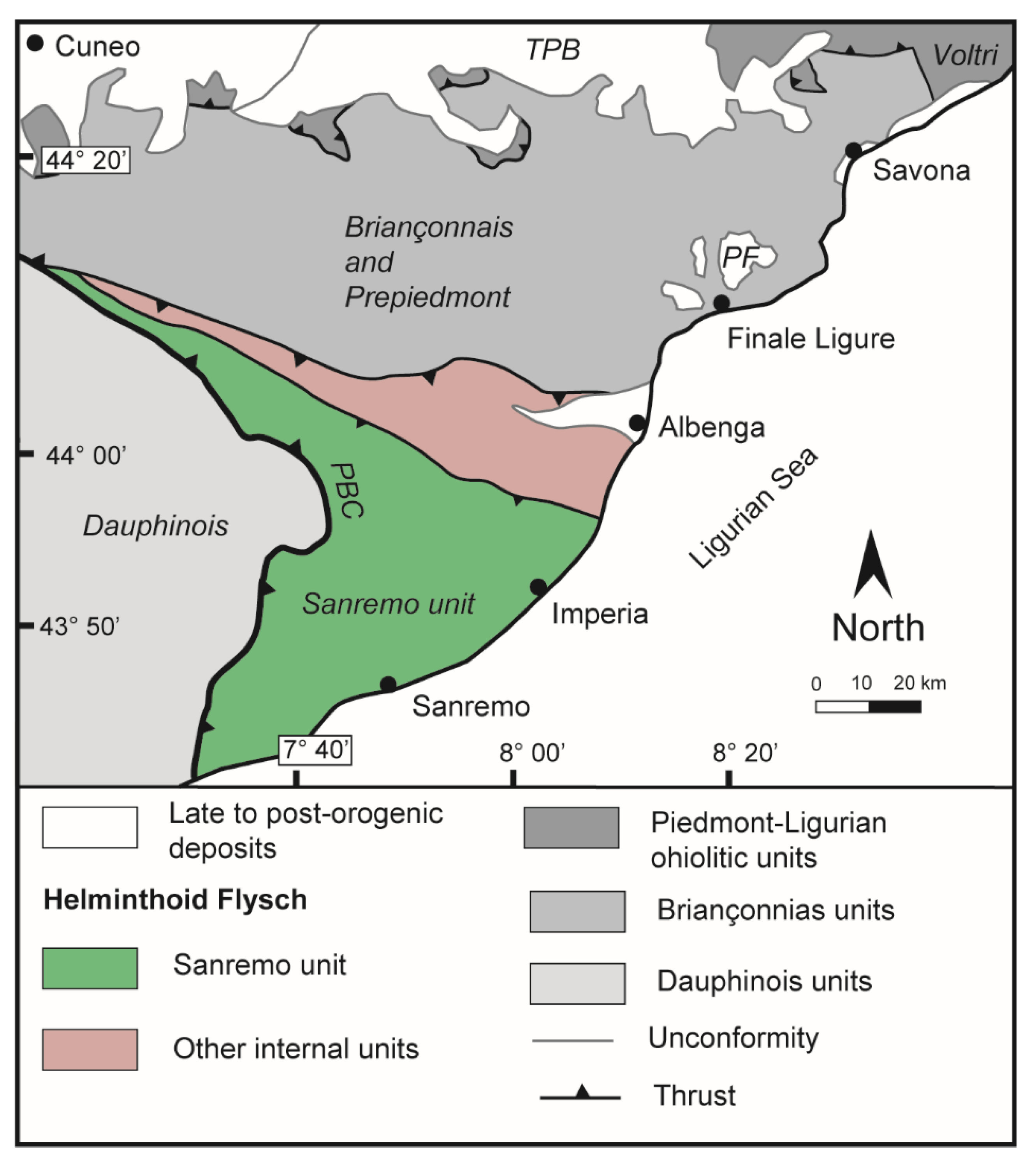
Geosciences Free Full Text Progressive Deformation Patterns From An Accretionary Prism Helminthoid Flysch Ligurian Alps Italy Html

Geodynamic Complexity Of The Indo Burmese Arc Region And Its Interaction With Northeast Himalaya Sciencedirect
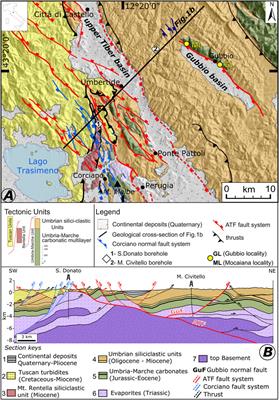
Frontiers Deep External Fluid Source Along The Gubbio Normal Fault Italy Implications For Slip Along The Altotiberina Active Low Angle Normal Fault System Earth Science

Make Subductions Diverse Again Sciencedirect
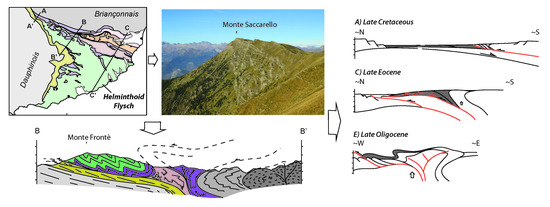
Geosciences Free Full Text Progressive Deformation Patterns From An Accretionary Prism Helminthoid Flysch Ligurian Alps Italy Html

Melange Development In The Neyriz Region Of Zagros Orogen Iran Record Of Convergence And Collision In The Neotethyan Realm Gholami Zadeh 2020 Basin Research Wiley Online Library
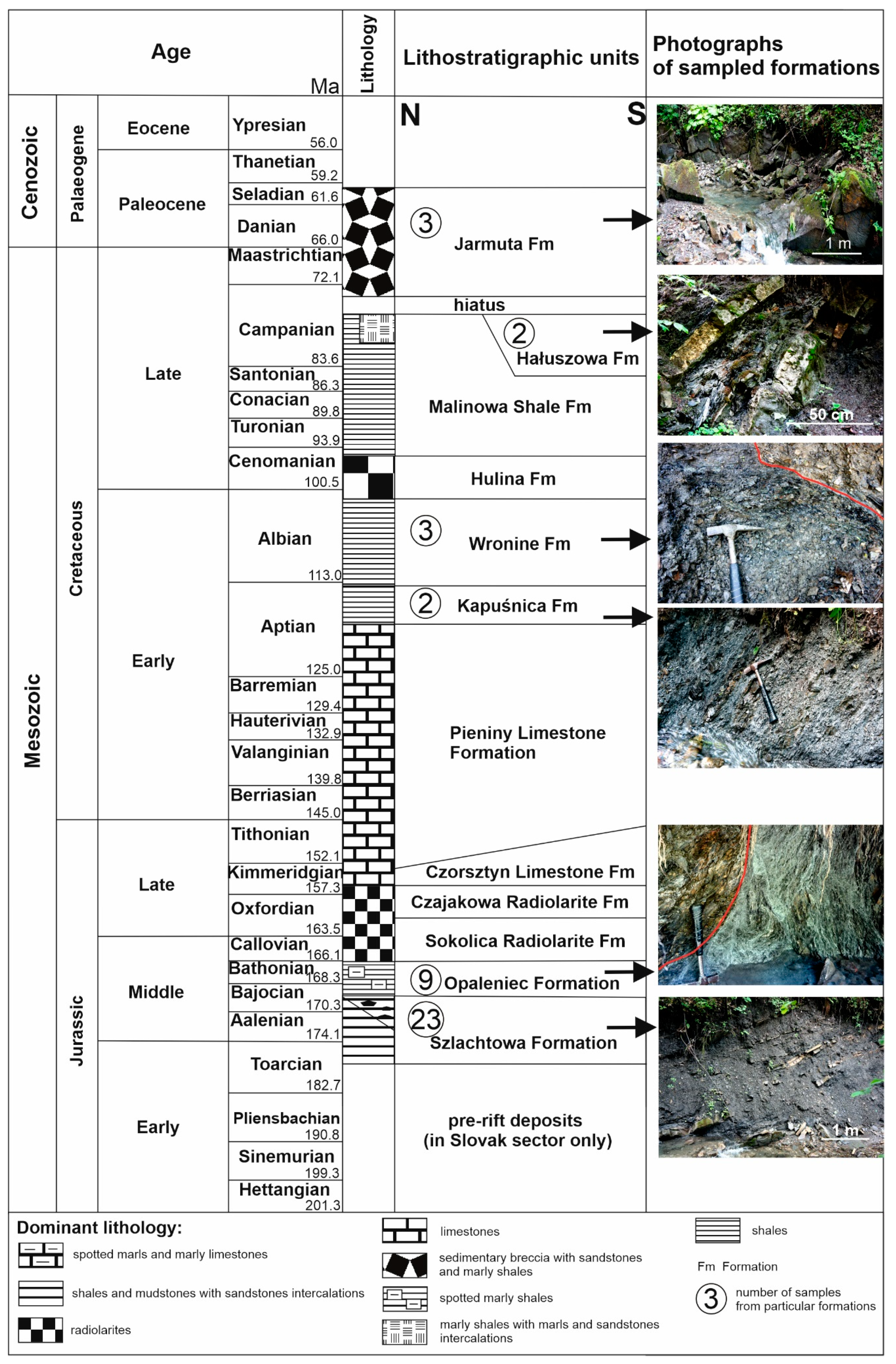
Minerals Free Full Text Thermal Maturity Of The Grajcarek Unit Pieniny Klippen Belt Insights For The Burial History Of A Major Tectonic Boundary Of The Western Carpathians Html

Geology Word Of The Week A Is For Accretionary Wedge Georneys Agu Blogosphere
Fsa Unit 5 Earth Science Quizizz
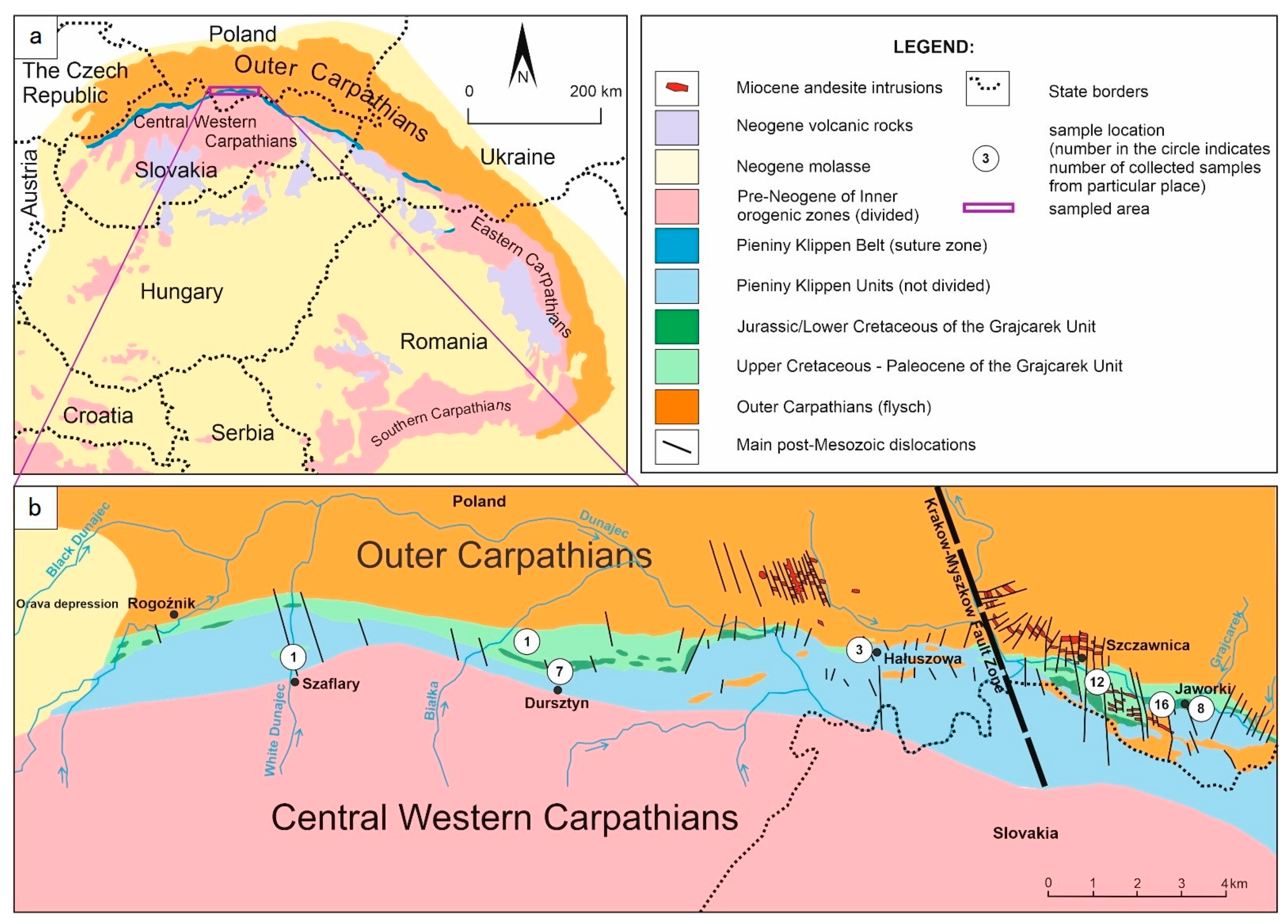
Minerals Free Full Text Thermal Maturity Of The Grajcarek Unit Pieniny Klippen Belt Insights For The Burial History Of A Major Tectonic Boundary Of The Western Carpathians Html

What Controls The Remobilization And Deformation Of Surficial Sediment By Seismic Shaking Linking Lacustrine Slope Stratigraphy To Great Earthquakes In South Central Chile Molenaar 2021 Sedimentology Wiley Online Library


Comments
Post a Comment